Exploring the psychology behind casino games
The Allure of Chance
The psychology of casino games is intricately tied to the allure of chance, captivating the human mind in profound ways. Gamblers are drawn to the unpredictability that these games offer, where a single wager can lead to a life-altering win or a disheartening loss. This unpredictability activates the brain’s reward system, particularly the release of dopamine, a neurotransmitter that plays a significant role in pleasure and motivation. Many players often explore australia online casino options, as the anticipation of hitting a jackpot or winning against the odds creates a compelling urge to engage repeatedly with such games, often overshadowing rational thought and caution.
Additionally, the thrill of chance cultivates a false sense of empowerment. Players frequently overestimate their control over the outcomes, a psychological phenomenon known as the illusion of control. They may believe that their skill, strategy, or even rituals can influence results, despite the fact that these games are largely determined by luck. This misconception can lead to a cycle of continued play, as individuals chase the euphoric highs of winning, often finding themselves deeper in the game’s seductive grasp.
Moreover, the social dynamics within casino environments amplify this psychological engagement. The vibrant atmosphere, characterized by lights, sounds, and social interactions, heightens emotional responses and fosters a sense of community among players. Gamblers often feed off each other’s excitement and energy, which can further intensify their desire to partake in the games. This social reinforcement not only drives financial stakes but also encourages individuals to seek social validation and shared experiences, enhancing their overall gambling involvement.
The Role of Reinforcement
Reinforcement is a critical factor in shaping gambling behavior. The variable-ratio schedule of rewards prevalent in many casino games, such as slot machines and table games, keeps players returning for more. Unlike fixed schedules where outcomes are predictable, variable rewards create an element of excitement and suspense. Players are often unaware of when their next win will occur, which can lead to prolonged engagement as they search for that elusive big win. This psychological pattern is a key driver behind the addictive nature of many casino games, effectively conditioning players to remain engaged through intermittent rewards.
Additionally, the psychological impact of near misses can significantly affect player behavior. A near miss occurs when a player comes close to winning—such as landing two out of three matching symbols on a slot machine. Research shows that near misses can trigger a dopamine release similar to actual wins, reinforcing the desire to continue playing despite losses. Gamblers may convince themselves that they are “due” for a win after experiencing these near misses, further entrenching their commitment to the game and often leading to increased gambling activity.

The casino environment itself is designed to enhance these reinforcement strategies. The absence of clocks and windows, combined with the continuous supply of drinks and entertainment, distorts players’ perceptions of time and reality. This design encourages individuals to lose track of how long they have been gambling, fostering a mindset that makes it challenging to leave or stop playing. The immersive experience amplifies the psychological reinforcement mechanisms, making it increasingly difficult for players to recognize when it might be time to walk away, even when they are aware of the risks involved.
The Impact of Environment
The physical environment of a casino can significantly influence gambling behavior and the associated psychology. Casinos are meticulously designed to maximize engagement, employing bright lights, vibrant colors, and captivating sounds that stimulate the senses. These design elements create a sensory overload that captures attention and amplifies excitement, encouraging players to remain longer within the space. The deliberate layout of a casino is also strategically planned, with games situated in ways that lure players deeper into the establishment, thereby reducing the likelihood of them exiting prematurely.
Moreover, the ambiance within casinos enhances the emotional experience of gambling. Sounds such as coins dropping in machines or the cheers of winners create an environment charged with optimism and anticipation. These auditory cues establish a psychological association between the sounds and feelings of winning, which can carry over into the player’s overall experience. The more enjoyable and emotionally charged the environment, the more likely players are to continue participating in gaming activities, often losing sight of time and their financial limits.
The psychological implications of gambling also intertwine with the concept of escapism. For many individuals, casinos offer a refuge from the stresses of everyday life, providing an engaging distraction that allows them to escape reality momentarily. This escape can lead to an increased likelihood of compulsive behavior, as players seek solace within the casino walls. Engaging in gambling as a coping mechanism for stress or anxiety can cloud judgment, leading to high-risk decisions and potentially harmful gambling habits.
The Effect of Personal Psychology
Personal psychology plays a pivotal role in shaping individual gambling experiences. Factors such as personality traits, motivations, and past experiences significantly influence how one interacts with casino games. For example, individuals with higher levels of impulsivity may be more prone to gambling frequently, often chasing losses without fully considering the financial ramifications. To them, gambling may represent a form of instant gratification, reinforcing their engagement in risk-taking behaviors that can have detrimental effects on their lives.
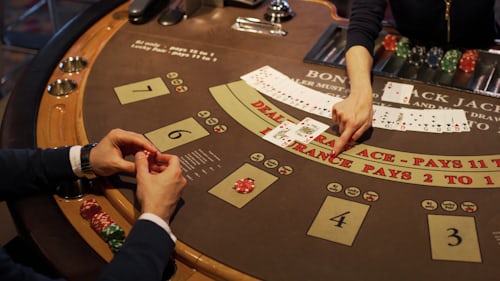
Cognitive biases also play a substantial role in gambling decisions. Many gamblers fall victim to the gambler’s fallacy, believing that past events can influence future outcomes in games of chance. For instance, a player may assume a specific number is “due” to win in roulette simply because it hasn’t appeared recently. This flawed reasoning can keep players invested in the game, even when logic suggests otherwise, leading to continued play and potential financial losses. Such cognitive distortions highlight the complex interplay between personal psychology and gambling behavior.
Ultimately, the intersection of personal psychology and gambling can lead to varied outcomes for different individuals. While some may gamble for enjoyment and the thrill it brings, others might find themselves entangled in problematic gambling patterns as they cope with emotional or psychological challenges. Understanding these dynamics is crucial for recognizing how personal disposition influences gaming behavior and decision-making processes in casinos, underscoring the need for awareness and education around responsible gambling practices.
Responsible Gambling and Resources
Understanding the psychological factors behind casino games is essential for promoting responsible gambling. The allure of chance, combined with the strategies employed by casinos, can lead to compulsive behaviors for some individuals. Therefore, awareness and education about these effects are paramount in helping players make informed decisions while engaging in gaming activities. Many casinos and gaming organizations provide resources aimed at educating gamblers about the risks and signs of problematic behavior, empowering them to gamble responsibly.
Moreover, support systems and resources are available for individuals who may struggle with gambling addiction. Self-exclusion programs, counseling services, and helplines can provide critical support for those seeking to regain control over their gambling habits. These resources focus on addressing the underlying issues that contribute to compulsive gambling, helping individuals create healthier relationships with gaming activities. The availability of such support systems plays a crucial role in mitigating the potential risks associated with gambling.
By fostering an understanding of the psychology behind casino games, players can enjoy gaming as a form of entertainment while recognizing the importance of moderation. Developing self-awareness and implementing strategies to set limits can ultimately lead to a more balanced approach to gambling. This allows individuals to partake responsibly in the thrill of casino gaming without jeopardizing their financial stability or personal well-being, ensuring that the experience remains enjoyable and free from adverse consequences.